“Vaudeville’s attraction was more than simply a series of entertaining sketches. It was symbolic of the cultural diversity of early twentieth century America. Vaudeville was a fusion of centuries-old cultural traditions, including the English Music Hall, minstrel shows of antebellum America, and Yiddish theater. Though certainly not free from the prejudice of the times, vaudeville was the earliest entertainment form to cross racial and class boundaries. For many, vaudeville was the first exposure to the cultures of people living right down the street.”
—American Masters, “About Vaudeville,” October 8, 1999, PBS
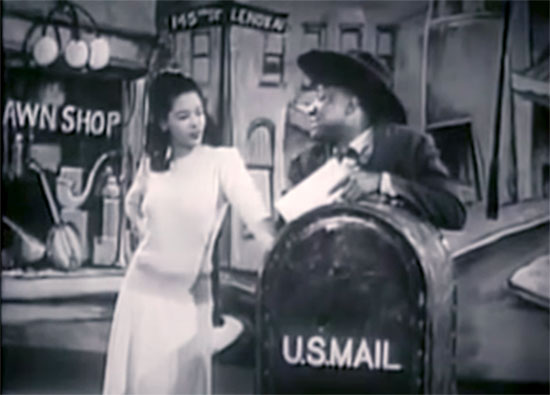
While anti-Semitism was common during vaudeville’s heyday, many Jewish performers had starring roles in theater as well as in film and television in later years. Yiddish theater had an enormous influence on the cultural life of Jews throughout America and abroad. In this film clip, Molly Picon, the most famous actress in Yiddish theater, is seen singing “Abi Gezunt (As long as you’re healthy),” from the 1938 film, “Mamele.” Molly Picon, born Margaret Pyekoon in 1898, “performed with Michael Thomashefsky’s Yiddish repertory troupe at the Arch Street Theater (including, at age fifteen, Uncle Tom’s Cabin, with alternate performances in Yiddish and English) and in cabaret from 1912 to 1915.” [Jewish Women’s Archive] Like Teresa in The Life Fantastic, Picon started to perform at an early age. She gave her first performance on a stage at age five!
Here are several sites which give a sense of the importance of Yiddish theater to Jews throughout the world and specifically in America.
- On the occasion of the 100th birthday of the National Yiddish Theater, Folksbiene, this video talks about the history of the theater. Note how Yiddish theater influenced composers on the broader stage, including George Gershwin and the Sherman brothers, composers of Mary Poppins.
- Michael Tilson Thomas, the conductor, created this homage to his grandparents, early and influential actors in the Yiddish theater, The Thomashefskys.
- These two biographies of the most famous actress and theater owner in Yiddish theater, Molly Picon, one from Masterworks Broadway and the other from the Jewish Women’s Archives
[post_footer_TLF]
 In The Life Fantastic, Maeve warns Teresa to be careful in her friendship with Pietro, an African American vaudeville performer. She tells Teresa that black men and boys in the South “get lynched if they look at a white girl.” Maeve also shares the story about a civil disturbance in Springfield, Illinois in 1908, where a white woman lied about being raped by an African American. Two black men were arrested, and when they escaped lynching, white residents rioted, causing massive destruction in the black community. The woman’s lie wasn’t discovered until after the riot ended and a number of people were killed. After that, Maeve’s father took part in Ku Klux Klan meetings.
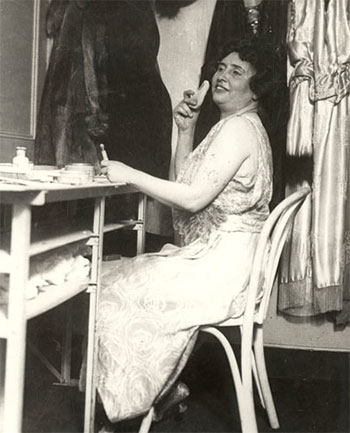
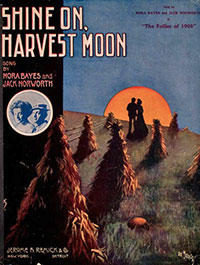 Another huge hit for her was “How You Gonna Keep ‘Em Down on the Farm (After They’ve Seen Paree)?”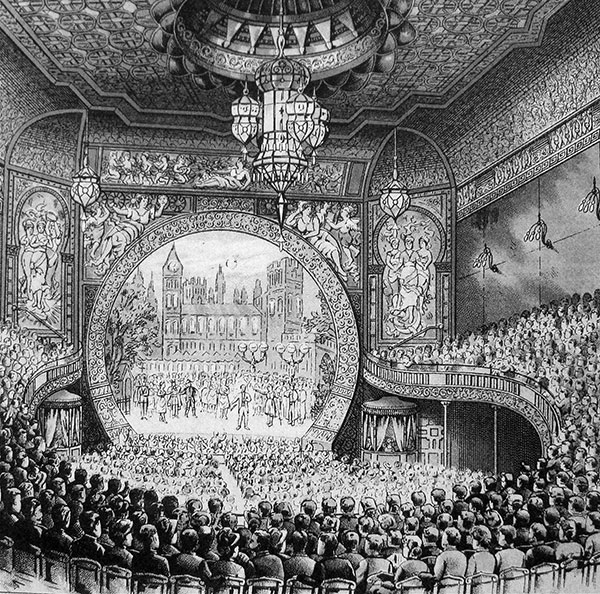
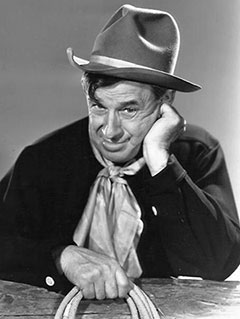
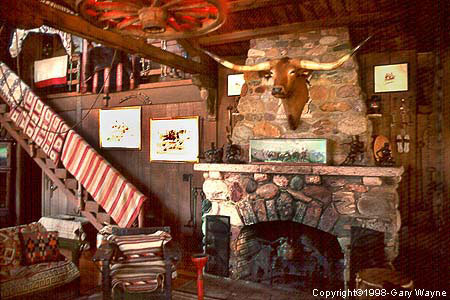 When my sons were young, we spent a year in southern California. We often drove out to Will Rogers’ ranch—