 In The Life Fantastic, Maeve warns Teresa to be careful in her friendship with Pietro, an African American vaudeville performer. She tells Teresa that black men and boys in the South “get lynched if they look at a white girl.” Maeve also shares the story about a civil disturbance in Springfield, Illinois in 1908, where a white woman lied about being raped by an African American. Two black men were arrested, and when they escaped lynching, white residents rioted, causing massive destruction in the black community. The woman’s lie wasn’t discovered until after the riot ended and a number of people were killed. After that, Maeve’s father took part in Ku Klux Klan meetings.
Many people think that the KKK was only active in southern states, but in the novel, Teresa remembers her father talking about the Klan having meetings in Vermont. Do you know the history of the KKK? Are you aware of their continuing presence in America today?
Learn more with these recommended books:
Superman versus the Ku Klux Klan: the True Story of How the Iconic Superhero Battled the Men of Hate, written by Rick Bowers, National Geographic Society, 2012.
They Called Themselves the K.K.K.: The Birth of an American Terrorist Group, written by Susan Campbell Bartoletti, Houghton Mifflin Harcourt, 2014.
When Thunder Comes: Poems for Civil Rights Leaders, written by J. Patrick Lewis, illustrated by Jim Burke, R. Gregory Christie, Tonya Engle, John Parra, and Meilo So, Chronicle Books, 2012.
Witness, written by Karen Hesse. Scholastic, 2001.
Wreath for Emmett Till, written by Marilyn Nelson, illustrated by Philippe Lardy, Houghton Mifflin Harcourt, 2004.
[post_footer_TLF]
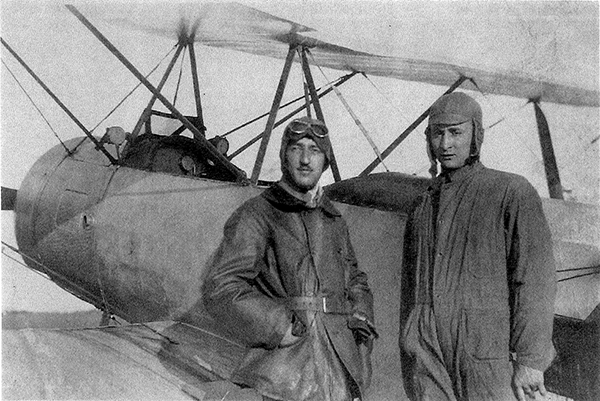
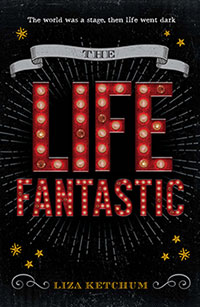 Please join us for a party to celebrate the release of The Life Fantastic: A Novel in Three Acts. The story takes place in 1913, at a time when vaudeville was America’s most popular form of entertainment. The book was inspired by a family story: Liza’s great-grandparents eloped and ran away to the vaudeville stage. In keeping with the vaudevillian backdrop of the book, the evening will include theatrical entertainment and music, as well as a reading and time for questions. The book has received kudos from teen readers as well as adults.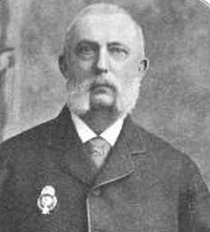
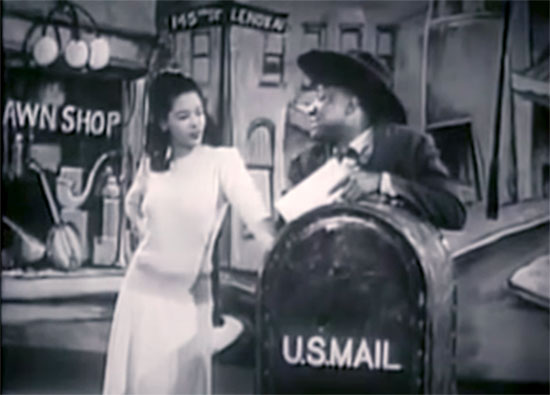
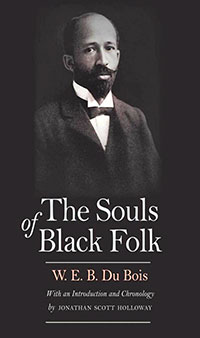 Pietro Jones, one of the main characters in The Life Fantastic, is inspired by the writings of
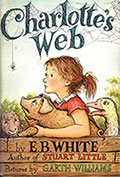 Charlotte’s Web, by E.B. White. I first read this book as a child, reread it many times, then shared it with my sons, and now their children. Growing up in the country, I knew barns and animals like those in the story, and I loved hearing my parents’ voices when they read the novel out loud. The story also taught me that words have the power to change a life and a community.
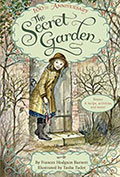 The Secret Garden, by Frances Hodgson Burnett. Gardens have always been important in my life. Some of my closest relationships, as a child, were with relatives who gardened. The novel showed me that a child’s relationship with nature could be healing and transformative. I’m now working on a memoir that views my life through gardens and gardeners. There’s a direct connection between the memoir and my reading of that novel.
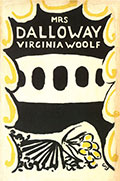 Mrs. Dalloway, by Virginia Woolf. I will never forget reading Woolf’s novel for the first time. I was blown away by the structure, the beauty and rhythm of her sentences, the way she used stream of consciousness to enter into her characters’ inner lives. I admired the way she revealed the events of two dramatically different people during the course of a single day. It’s a book I reread every few years.
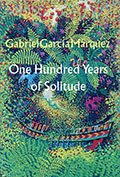 One Hundred Years of Solitude, by Gabriel Marcía Márquez. His famous opening sentence pulled me in: “Many years later, as he faced the firing squad, Colonel Aureliano Bendía was to remember that distant afternoon when his father took him to discover ice”—a sentence I often quoted when teaching, to illustrate a strong hook. The novel was my first exposure to magical realism. I loved the characters and its sweep of history and time. I even went through a period where I reread the book every year.
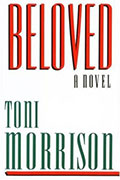 Beloved, by Toni Morrison. This novel shook me to the core. I was profoundly moved and changed by reading her story, which left me feeling shattered and ashamed of my country’s history, yet grateful that she had offered these complex and indomitable characters to the world. When I reached the last sentence of the novel, I wondered: “How did she do that?” I went right back to the beginning to read it again. I cheered when Morrison won the Nobel Prize years later.
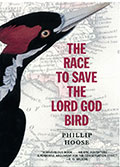 The Race to Save the Lord God Bird, by Phillip Hoose. Okay, I know this is a sixth book; I’m being disobedient—but non-fiction is extremely important to me, especially as the planet faces extreme challenges from climate change. This is a wonderful story about the man who was determined to find—and save—the Ivory Billed Woodpecker. It shows that non-fiction can be as thrilling and suspenseful as a novel and its characters just as fascinating. This is one non-fiction book where I even read the footnotes.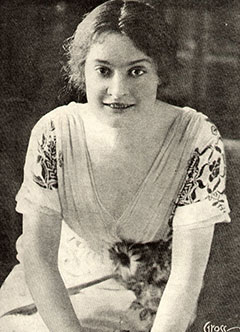
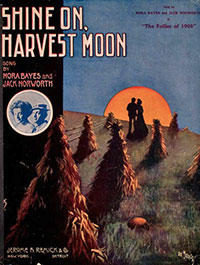 Another huge hit for her was “How You Gonna Keep ‘Em Down on the Farm (After They’ve Seen Paree)?”