 The Life Fantastic is set in 1913, by which time the National Association for the Advancement of Colored People had established branch offices in such cities as Boston, Massachusetts; Baltimore, Maryland; Kansas City, Missouri; Washington, D.C.; Detroit, Michigan; and St. Louis, Missouri. They believed strongly in local organizing. When Pietro Jones discusses W.E.B. DuBois’ writing with Teresa, it’s likely that he was familiar with this organization.
As their website states, “The NAACP seeks to remove barriers of racial discrimination.”
“The NAACP was formed partly in response to the continuing horrific practice of lynching and the 1908 race riot in Springfield, the capital of Illinois and resting place of President Abraham Lincoln. Appalled at the violence that was committed against blacks, a group of white liberals that included Mary White Ovington and Oswald Garrison Villard, both the descendants of abolitionists, William English Walling and Dr. Henry Moscowitz issued a call for a meeting to discuss racial justice. Some 60 people, seven of whom were African American (including W. E. B. Du Bois, Ida B. Wells-Barnett and Mary Church Terrell), signed the call, which was released on the centennial of Lincoln’s birth.”
Learn more about the NAACP, which continues its work today.
[post_footer_TLF]
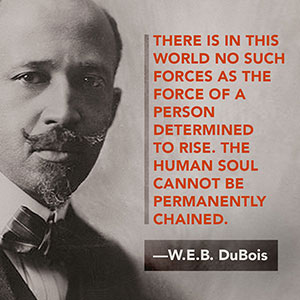 In The Life Fantastic, Pietro Jones is inspired by the writing of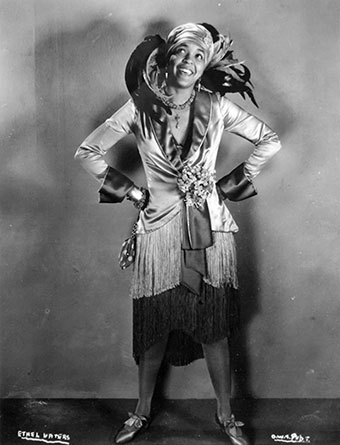
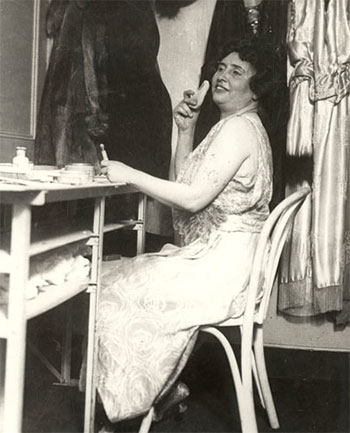
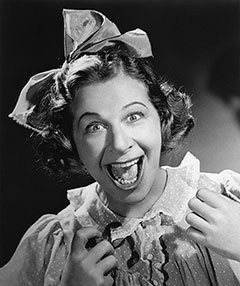 A truly fascinating woman, Fania Borach, whom we know as Fanny Brice, worked hard to turn her talents into stardom. Born in 1891, she performed on the burlesque stage, vaudeville, stage, film, musical revues (nine Ziegfield Follies), and, most famously, radio. She is perhaps best known for her radio character Baby Snooks, but she honed her comedic skills as a vaudeville performer. She was a female comedian in a profession usually reserved for men. You may know her as the woman who inspired the movie Funny Girl. Read about her life on the